Earn interest in India, live in the UK, and both countries may want to tax it. Double Taxation Avoidance Agreements — DTAAs — are the treaties that stop that from happening. Using them properly can cut the tax deducted on your Indian income by half or more.
How a DTAA helps
A DTAA does two things:
- Caps the tax India can deduct on certain income — such as interest and dividends — often below the domestic TDS rate (30% on NRO interest).
- Lets you claim credit in your country of residence for tax already paid in India, so the same income isn't fully taxed twice.
Treaty rates vary by country and income type. Always check the specific treaty between India and your country of residence before assuming a rate.
Claiming lower TDS in India
To get the bank or payer in India to deduct tax at the treaty rate, you typically provide:
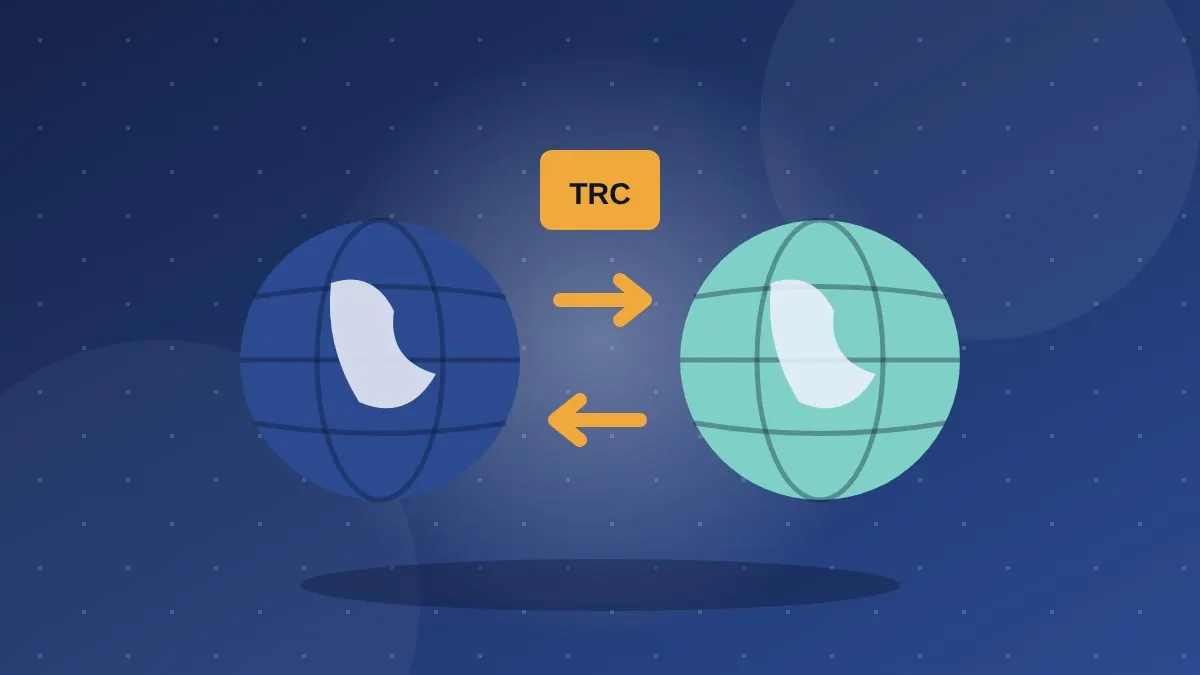
- Tax Residency Certificate (TRC) from the tax authority of the country where you live.
- Form 41 — a self-declaration filed online on the Indian e-filing portal. It replaced Form 10F from 1 April 2026 under the Income-tax Act, 2025. It's filed once per tax year, and PAN and Aadhaar aren't mandatory for it.
- A copy of your PAN and passport, as your bank asks.
Without the TRC and Form 41, the payer will generally deduct tax at the full domestic rate.
Claiming credit where you live
If tax has already been deducted in India, you usually claim a foreign tax credit in your home country's return — for example, on the relevant foreign tax credit form in the US or UK. Keep your Indian TDS certificates and tax return as evidence.
A quick example
Ravi lives in a country whose treaty with India caps tax on interest at 15%. His NRO FD earns ₹2 lakh a year. Without the treaty paperwork, the bank deducts about 31.2% (30% plus 4% cess). With a TRC and Form 41 submitted, it deducts closer to 15% — keeping roughly ₹30,000 more in his account each year. (Illustrative rates; check your own treaty.)
Tips
- Get your TRC early in the year — some countries take weeks to issue it.
- Submit the paperwork to your bank before interest is credited.
- If TDS was still deducted at a higher rate, claim the difference by filing an Indian tax return.
Frequently asked questions
What replaced Form 10F?
From 1 April 2026, Form 41 under the Income-tax Act, 2025 replaces Form 10F for claiming DTAA benefits. It is filed electronically on the e-filing portal.
Is Form 41 enough on its own?
No. You also need a valid Tax Residency Certificate (TRC) from your country of residence.
Do I need a PAN to file Form 41?
PAN and Aadhaar are not mandatory for Form 41, according to the income tax department's guidance.
Get stories like this every morning
Top stories, scam alerts and rule changes — free, every morning at 7 am IST.
For general information only — not financial, tax or legal advice. Rules and rates change; verify with official sources or a qualified professional. Read our disclaimer.