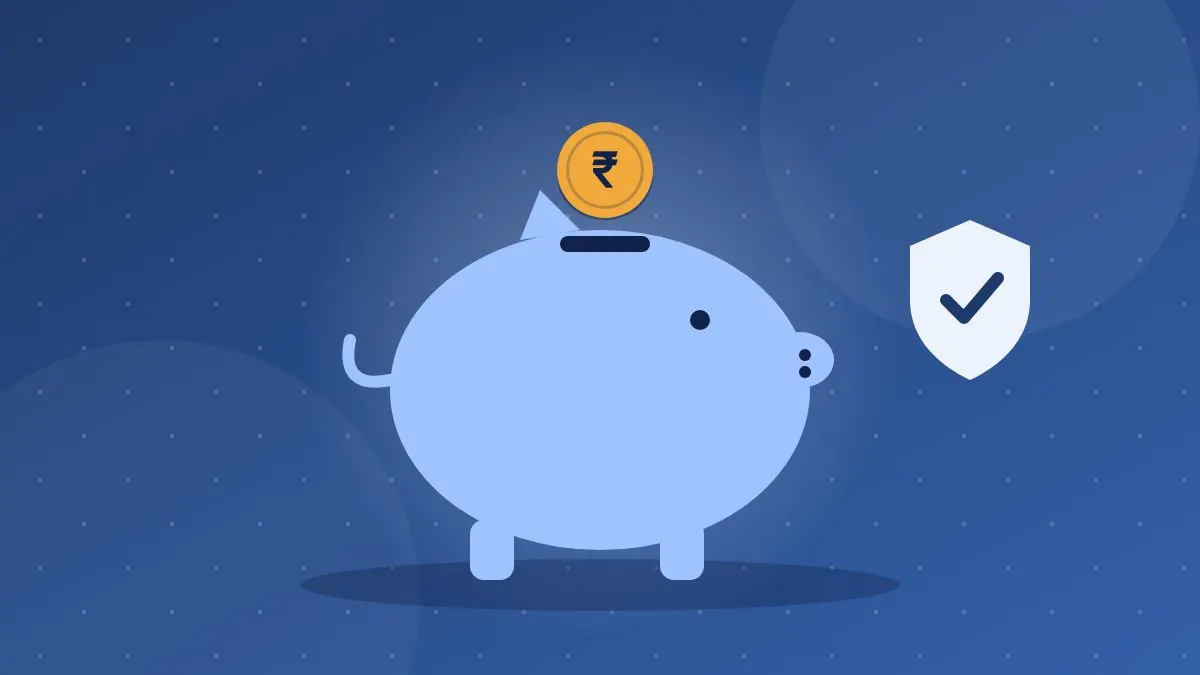
A job loss, a hospital bill not fully covered by insurance, a sudden trip home — an emergency fund is the money that stops a bad month from turning into a debt problem. It's the least exciting part of personal finance, and the most important.
How much is enough?
Start with your essential monthly expenses: rent or EMI, groceries, utilities, school fees, insurance premiums, transport and minimum loan payments. Leave out eating out and shopping. Then multiply:
| Your situation | Months to keep |
|---|---|
| Stable salaried job, dual income, no dependents | 3–4 months |
| Single income with family dependents | 6 months |
| Freelancer, business owner, commission-based income | 9–12 months |
| Ageing parents with limited health cover | Add 2–3 months |
Example: essentials of ₹45,000 a month for a single-income family means a target of about ₹2.7 lakh.
Where to keep it
Emergency money needs three things in this order: safety, instant access, and only then returns.
- Savings account (≈ 1 month of expenses): for same-day needs. Keep it in a separate account so you don't spend it by accident.
- Sweep-in or flexi fixed deposit: earns FD-like interest but breaks automatically when you need the money.
- Liquid mutual funds: very low risk, money usually reaches your bank the next working day. Some offer instant redemption for small amounts.
Avoid equity funds, PPF (locked in), real estate or gold jewellery for this purpose — they are either volatile or hard to sell quickly at a fair price.
Build it in five steps
- Calculate your target using the table above.
- Open a separate account and name it "Emergency" in your banking app.
- Automate a monthly transfer on salary day — 10–20% of take-home pay until the target is reached.
- Add windfalls: bonuses, tax refunds and gifts can cut the timeline in half.
- Refill after use before resuming any extra spending.
Should you pause SIPs to build it?
Not necessarily. A common approach is to reduce SIPs temporarily rather than stop them, and direct the difference to the emergency fund. Once the fund is in place, restore your SIPs and use the SIP calculator to see the long-term effect.
Insurance is part of the plan
An emergency fund cannot pay for major surgery. Health insurance for the whole family, and term life insurance if anyone depends on your income, keep big shocks from emptying the fund. A family floater with a super top-up is often an affordable way to get high cover.
Frequently asked questions
Is 6 months of expenses enough?
For most single-income salaried households, yes. Business owners and freelancers should aim for 9–12 months.
Can I keep my emergency fund in FDs?
Yes. A sweep-in or flexi FD linked to your savings account is a good option because it can be accessed quickly.
Get stories like this every morning
Top stories, scam alerts and rule changes — free, every morning at 7 am IST.
For general information only — not financial, tax or legal advice. Rules and rates change; verify with official sources or a qualified professional. Read our disclaimer.