Your credit score decides whether you get a loan, how much you pay for it, and sometimes even whether a landlord or employer trusts you. The good news: it's built on your behaviour, so you can change it.
What is a credit score?
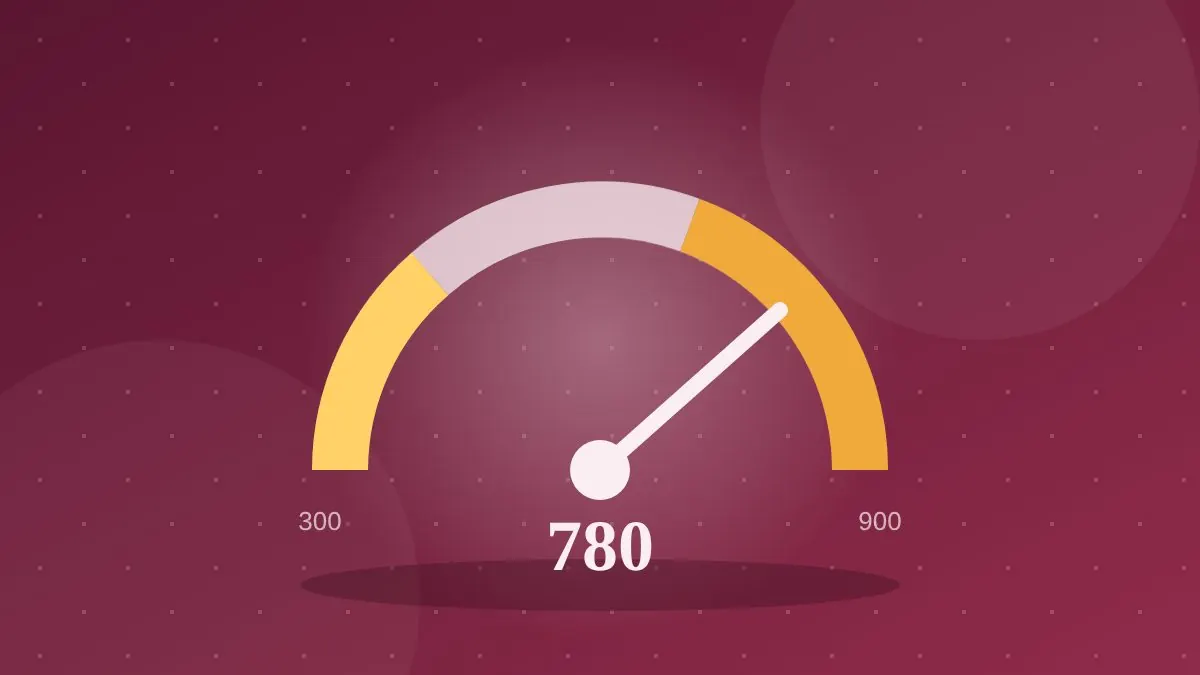
A credit score is a three-digit number, usually between 300 and 900, calculated by credit bureaus — TransUnion CIBIL, Experian, Equifax and CRIF High Mark — from your loan and credit card history. Lenders generally treat 750 and above as good, and offer their best rates to borrowers in that band.
What moves your score
- Payment history — the biggest factor. A single missed EMI can stay on your record for years.
- Credit utilisation — how much of your card limits you use.
- Credit mix and age — a long history with both secured (home, car) and unsecured (card, personal) credit helps.
- New enquiries — many loan applications in a short time look like credit hunger.
8 steps to a better score
- Never miss a due date. Set up auto-debit for at least the minimum amount on every card and EMI.
- Keep card usage below 30% of the limit. On a ₹1 lakh limit, try to keep the statement balance under ₹30,000.
- Pay the full card bill, not the minimum. Revolving balances cost 30–45% a year in interest and signal stress.
- Don't close your oldest card. It anchors the length of your credit history. Use it lightly instead.
- Space out loan applications. Compare offers through pre-approved or soft-check channels before you formally apply.
- Check your report for errors. You're entitled to a free report from each bureau once a year. Look for loans you never took or closed loans still shown as active, and raise a dispute online.
- Settle old dues properly. A "settled" status hurts more than "closed". Where possible, pay the full outstanding and ask the lender to report the account as closed.
- Starting from zero? Use a secured card. A credit card against a fixed deposit builds history for students and first-time earners.
How long does improvement take?
Lenders report to bureaus roughly every month, so lower utilisation can show up within one or two cycles. Recovering from missed payments takes longer — typically six months to a year of clean behaviour before the score climbs noticeably.
Beware of "credit repair" offers
No agency can legally delete accurate negative information from your report. Anyone promising an instant jump for a fee is best avoided. Disputing genuine errors is free and you can do it yourself directly with the bureau.
Frequently asked questions
What is a good CIBIL score?
Scores range from 300 to 900. A score of 750 or above is generally considered good and gets better loan terms.
Does checking my own score lower it?
No. Checking your own score is a soft enquiry and does not affect it. Only lender enquiries for new credit count.
Get stories like this every morning
Top stories, scam alerts and rule changes — free, every morning at 7 am IST.
For general information only — not financial, tax or legal advice. Rules and rates change; verify with official sources or a qualified professional. Read our disclaimer.