India's mutual funds are one of the easiest ways for NRIs to stay invested in the Indian growth story. For most NRIs it's straightforward. For those living in the US or Canada, there are two extra hurdles — one in India, one at home.
The basics for every NRI
- PAN and KYC: complete KYC as a non-resident (often online with video verification) using your passport and overseas address proof.
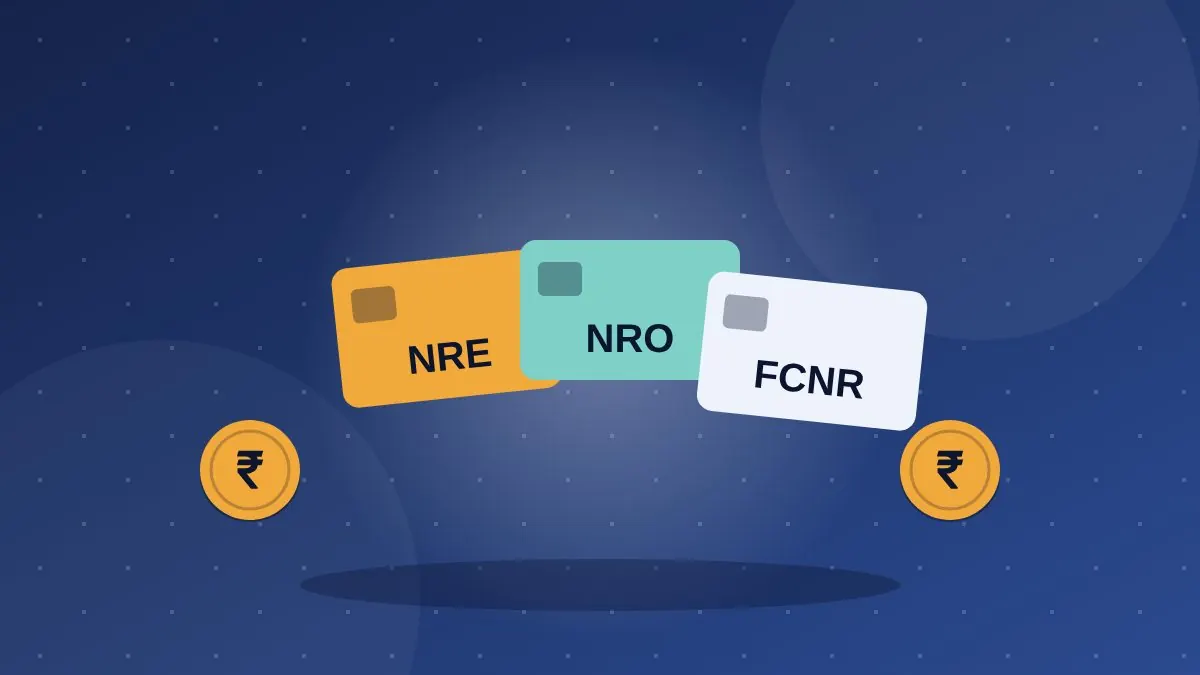
- Bank account: invest from an NRE account (repatriable) or NRO account (non-repatriable). See which account to use.
- FATCA/CRS declaration: every investor declares their tax residency.
- Tax in India: capital gains are taxed in India, and TDS is deducted on redemption for NRIs. You can claim excess TDS back via an Indian tax return.
Hurdle 1 for US and Canada residents: FATCA
Because of the US Foreign Account Tax Compliance Act and related reporting, many Indian fund houses simply don't accept investments from US and Canada residents — the compliance cost isn't worth it to them. A smaller group does, often requiring:
- an additional signed declaration, sometimes on paper rather than online;
- transactions through specific channels only;
- in some cases, that the application is made while you're physically in India.
Lists of accepting fund houses change, so confirm directly with the fund house before you invest.
Hurdle 2 for US taxpayers: PFIC
This is the one many NRIs discover too late. Under US tax rules, most non-US mutual funds are classed as Passive Foreign Investment Companies (PFICs). That can mean high tax rates on gains, interest charges, and an extra US filing for every fund every year. For many US taxpayers, Indian mutual funds become far less attractive after US tax. Talk to a US tax professional before investing — alternatives such as directly held shares or India-focused US-listed funds may work out better.
NRIs elsewhere: simple
If you live in the UK, the Gulf, Singapore, Australia or most of Europe, almost all Indian fund houses accept you, and you can usually invest online, including through SIPs. Try our SIP calculator to see what regular investing could grow to.
Frequently asked questions
Can US NRIs invest in Indian mutual funds?
Yes, but only with fund houses that accept US-based investors, usually with an additional FATCA declaration. Check eligibility directly with the fund house.
What is the PFIC issue?
Under US tax law, many foreign mutual funds are Passive Foreign Investment Companies, which can bring punitive tax treatment and extra reporting for US taxpayers. Get US tax advice first.
Get stories like this every morning
Top stories, scam alerts and rule changes — free, every morning at 7 am IST.
For general information only — not financial, tax or legal advice. Rules and rates change; verify with official sources or a qualified professional. Read our disclaimer.