Coming home after years abroad is exciting — and it's also when the most expensive money mistakes happen. The two to three years after your return can be the most tax-efficient of your life, if you plan for them.
Your status after return
Once you're in India for 182 days or more in a tax year, you become resident. But if you were a non-resident in 9 of the previous 10 years, or spent 729 days or less in India over the previous 7 years, you're RNOR — resident but not ordinarily resident. While RNOR, income earned and received abroad is generally not taxed in India. See residency rules explained or use the status calculator.
Bank accounts
| Account | What to do |
|---|---|
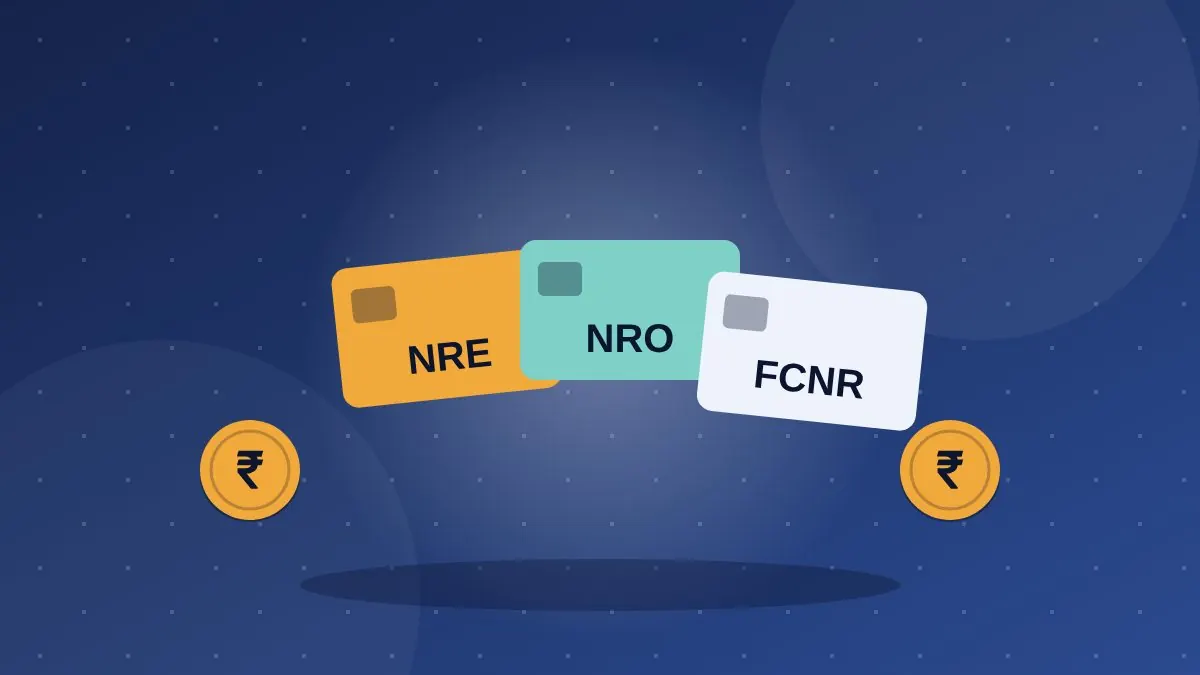
| NRE savings | Re-designate as resident savings, or move funds to an RFC account |
| NRE fixed deposit | Can run to maturity at the agreed rate; becomes a resident FD and interest becomes taxable |
| NRO | Re-designate as a resident account |
| FCNR deposit | Can run to maturity; then convert to resident rupee or RFC deposit |
| Foreign bank accounts | You may keep them; disclose them in your Indian tax return once you're ROR |
An RFC (Resident Foreign Currency) account lets you keep money in foreign currency in India after you return — useful if you might go abroad again or still have overseas income. Interest on RFC (and on FCNR deposits until maturity) remains tax-free during your RNOR years.
Use the RNOR window
- Book foreign gains while RNOR where it makes sense, rather than after you become ROR.
- Retirement accounts abroad (401(k), pensions): withdrawals may be taxed very differently before and after RNOR ends — get advice from someone who knows both countries.
- Keep careful records of what you earned abroad and when.
The checklist
- Inform your banks, brokers, fund houses and insurers of your change in status.
- Re-designate NRE/NRO accounts; open an RFC account if needed.
- Close or convert NRI demat and trading accounts.
- Review life and health insurance — policies bought abroad may not cover you in India. See health insurance in India.
- Update KYC everywhere with your Indian address.
- From the year you become ROR, report foreign assets and income in your Indian tax return.
- Check what you must still file in the country you're leaving.
Frequently asked questions
What happens to my NRE FD when I return to India?
It is re-designated as a resident deposit. It continues at the agreed rate until maturity, but the interest becomes taxable once you are resident.
How long does RNOR status last?
It depends on your past years of residence. Many long-term NRIs qualify for about two to three years after return.
Get stories like this every morning
Top stories, scam alerts and rule changes — free, every morning at 7 am IST.
For general information only — not financial, tax or legal advice. Rules and rates change; verify with official sources or a qualified professional. Read our disclaimer.